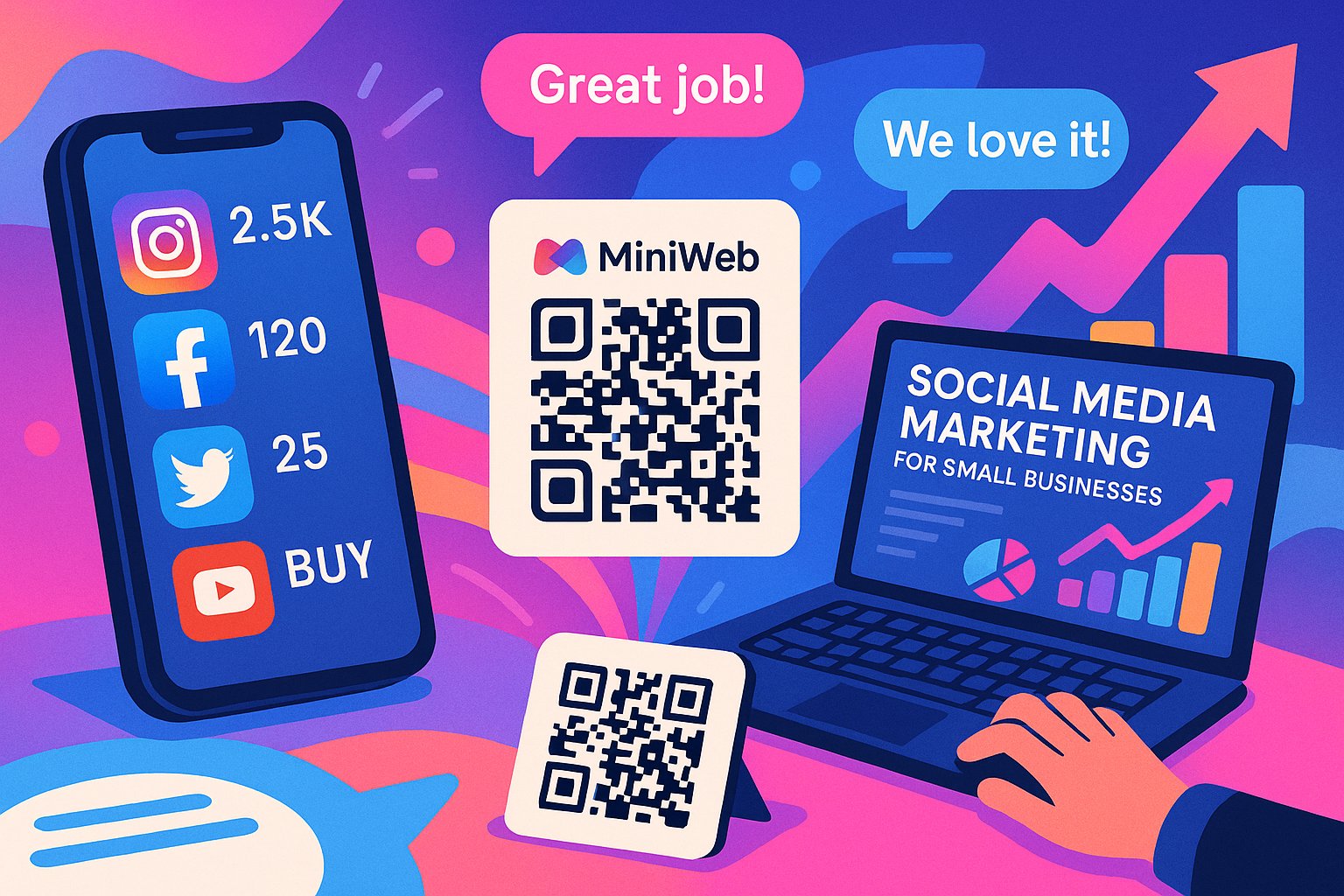
For small and medium enterprises (SMEs), social media isn't just a marketing channel—it's a powerful equalizer that allows you to compete with larger competitors on a more level playing field. With strategic planning and consistent effort, social media can become your most valuable tool for building brand awareness, engaging customers, and driving sales. This beginner's guide will walk you through the essential steps to create an effective social media strategy that delivers real results without overwhelming your limited resources.
Why Social Media is Non-Negotiable for SMEs
In today's digital landscape, social media presence has transformed from optional to essential. For SMEs, it offers unprecedented opportunities: 87% of consumers now check social media before making a purchase decision. These platforms provide direct access to your target audience, valuable customer insights, and cost-effective advertising options that traditional marketing channels simply can't match. Most importantly, social media allows you to humanize your brand and build authentic relationships that foster customer loyalty and advocacy.
Choosing the Right Platforms: Quality Over Quantity
The first mistake many SMEs make is trying to maintain a presence on every social platform. Instead, focus your energy on 2-3 platforms where your target audience is most active.
Best for: B2C businesses, community building, targeted ads
Audience: Broad demographic, especially 25+
Content Types: Stories, videos, community posts, events
Best for: Visual brands, younger audiences, storytelling
Audience: Primarily 18-40 age group
Content Types: High-quality images, Reels, Stories, shoppable posts
Best for: B2B services, professional services, recruitment
Audience: Professionals, decision-makers
Content Types: Industry insights, company updates, professional content
🐦 Twitter/X
Best for: Real-time updates, customer service, news
Audience: News-conscious users, younger demographics
Content Types: Quick updates, conversations, trending topics
▶️ YouTube
Best for: Demonstrations, tutorials, storytelling
Audience: Broad demographic seeking information
Content Types: How-to videos, product demos, behind-the-scenes
📱 WhatsApp Business
Best for: Direct customer communication, updates
Audience: Existing customers, local clients
Content Types: Personal updates, offers, quick responses
Crafting Your Content Strategy: The 80/20 Rule
Effective social media content follows the 80/20 principle: 80% of your content should educate, entertain, or inspire your audience, while only 20% should directly promote your business. This balance keeps your audience engaged without feeling constantly sold to.
Content Pillars for SMEs
Develop 3-5 content themes that align with your brand values and audience interests:
- 🌟 Educational Content: Share tips, how-tos, and industry insights that position you as an expert.
- 😄 Behind-the-Scenes: Humanize your brand by showing your team, process, and company culture.
- 🎯 User-Generated Content: Share posts from happy customers to build social proof.
- 📢 Promotional Content: Announce new products, special offers, and events.
- 💬 Conversational Content: Ask questions, run polls, and encourage engagement.
Practical Tips for Immediate Implementation1. Optimize Your Profiles Completely
Ensure every social profile has a complete bio, profile picture (usually your logo), cover photo, website link, and contact information. Use a consistent username across platforms when possible. Consider using a link-in-bio tool like MiniWeb to direct traffic to multiple destinations from your profile.
2. Create a Content Calendar
Plan your content in advance using a simple spreadsheet or free tools like Google Calendar. Consistency is more important than frequency—better to post 3 times per week consistently than to post daily for a week then disappear for a month.
3. Leverage Visual Content
Posts with images receive 2.3x more engagement than those without. Use free tools like Canva to create professional-looking graphics even without design experience. Incorporate your brand colors and fonts for consistency.
4. Engage, Don't Just Broadcast
Social media is a two-way conversation. Respond to comments and messages promptly. Like and comment on posts from others in your industry and from your customers. Join relevant conversations using industry hashtags.
5. Utilize Built-in Analytics
All major platforms offer free analytics tools. Regularly check which types of content perform best and adjust your strategy accordingly. Pay attention to when your audience is most active and schedule posts for those times.
Budget-Friendly Advertising Strategies
You don't need a large budget to see results from social media advertising. Start small with these strategies:
1. Boost High-Performing Organic Posts
Instead of creating ads from scratch, identify which organic posts are already resonating with your audience and boost them with a small budget ($5-10 per day). This ensures you're promoting content that already has proven appeal.
2. Target Precisely
The power of social media advertising lies in targeting options. You can target by location, interests, behaviors, and even connections. Create custom audiences from your email list or website visitors for maximum relevance.
3. Retarget Website Visitors
Install the Facebook pixel on your website to track visitors, then show them relevant ads when they're on social media. This is remarkably effective as these people have already shown interest in your business.
4. Test and Learn
Start with small budgets to test different audiences, ad formats, and messages. Double down on what works and eliminate what doesn't. Even $100 can provide valuable insights when allocated strategically.
Measuring What Matters: Beyond Likes and Follows
While follower count and likes are vanity metrics, these are the metrics that actually impact your business:
📊 Engagement Rate
Measures how actively involved your audience is with your content. Calculate by dividing total engagements by followers, multiplied by 100.
🌐 Website Traffic
Track how many visitors come to your website from social media using Google Analytics. Monitor which platforms drive the most valuable traffic.
💌 Conversion Rate
Measure how many social media visitors take desired actions (purchases, sign-ups, downloads). Use UTM parameters to track effectively.
📞 Customer Response Rate & Time
How quickly and effectively you respond to customer inquiries on social media directly impacts satisfaction and loyalty.
📈 Return on Investment (ROI)
Calculate revenue generated from social media efforts compared to costs (ad spend, tools, time). This is the ultimate measure of success.
Essential Tools for SME Social Media Success
You don't need an enterprise budget to access powerful social media tools. These affordable options can streamline your efforts:
- 📅 Content Scheduling: Buffer, Hootsuite, or Later for planning posts in advance
- 🎨 Graphic Design: Canva for creating professional-looking visuals without design skills
- 📊 Analytics: Native platform insights combined with Google Analytics
- 📝 Content Ideas: AnswerThePublic, Google Trends for discovering what your audience cares about
- 🌐 Link Management: MiniWeb's digital business card and mini website tools to create a central hub for all your links
Your Social Media Journey Starts Now
Social media marketing for SMEs isn't about viral moments or massive follower counts—it's about consistent, strategic effort that builds genuine connections with your audience over time. By focusing on the right platforms, creating valuable content, engaging authentically, and measuring what truly matters, you can leverage social media to grow your business regardless of your budget or team size. The most successful SMEs aren't those with the most resources, but those who start where they are, learn as they go, and remain consistently present where their customers are already spending time.